
Pretrial Strategy in Maryland Criminal Defense Cases: Suppression Motions, Witness Credibility, and Building Leverage Before Trial
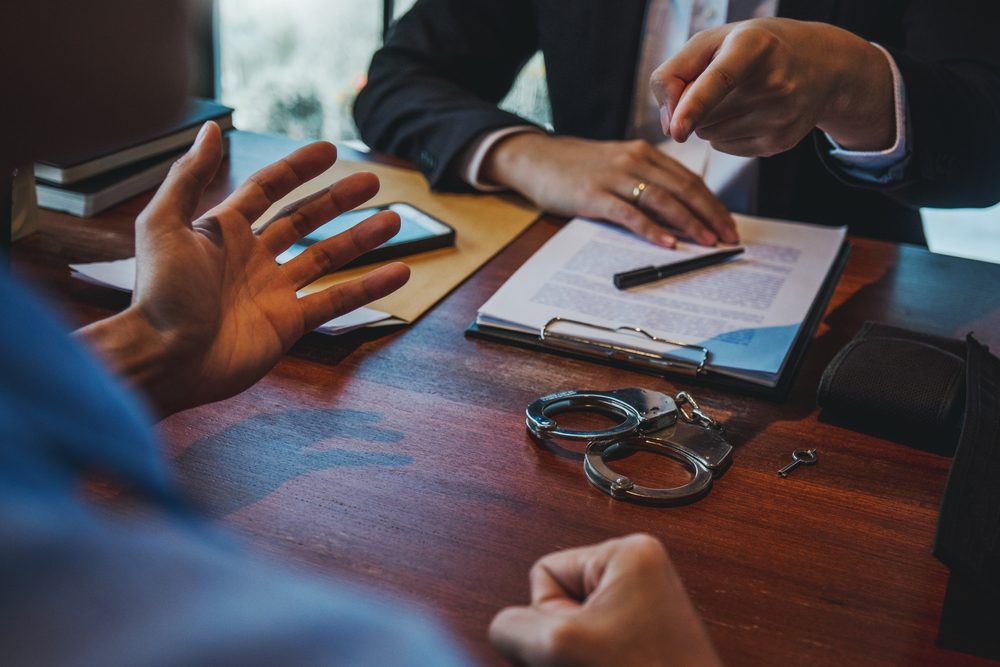 What if the prosecution’s strongest evidence never reaches the jury?
That can happen when a search violates the Fourth Amendment, a witness cannot withstand impeachment, or evidence fails Maryland’s rules of admissibility. For a defendant, the most important fight may therefore occur weeks or months before trial begins. A criminal attorney in Baltimore can use pretrial litigation strategies below to force the State to prove not only what happened, but whether its evidence was lawfully obtained and can legally be used.
Move to Suppress Evidence Obtained Unlawfully
Maryland Rule 4-252 requires challenges involving unlawful searches, seizures, pretrial identifications, and unlawfully obtained statements to be raised by motion in Circuit Court. A top-rated criminal lawyer in Maryland will examine body-camera footage, warrants, affidavits, search records, and interrogation recordings to determine whether police violated the Fourth Amendment. Counsel can file a suppression motion, cross-examine officers at the hearing, and argue that unlawfully obtained evidence cannot be used at trial. Removing critical evidence can weaken the State’s ability to prove an essential element.
Use Discovery to Find Evidence the State Cannot Explain
A criminal defense lawyer can also compare police reports against video, dispatch records, photographs, forensic testing, interviews, and witness statements to identify contradictions or missing evidence. Brady v. Maryland requires prosecutors to disclose material evidence favorable to the accused. Counsel can demand missing discovery, raise disclosure violations, investigate inconsistencies, and use favorable evidence to challenge the prosecution’s theory. A serious discovery problem may strengthen plea negotiations or support additional motions.
Build Impeachment Before the Witness Testifies
Maryland Rule 5-616 permits impeachment through matters including prior inconsistent statements, bias, interest, and motive to testify falsely. A criminal attorney can compare a witness’s police interviews, body-camera statements, written reports, and prior testimony. Counsel can also investigate benefits, pending charges, relationships, or other facts showing bias. Developing admissible impeachment before trial allows the defense to attack testimony the State may need to obtain a conviction.
Keep Inadmissible Evidence Away From the Jury
A lawyer can use pretrial motions to limit what prosecutors may present. Maryland Rule 5-802 generally bars hearsay unless another legal basis permits admission. Counsel can challenge hearsay, improper authentication, unfairly prejudicial evidence, unsupported opinions, and evidence lacking a proper foundation. Successful objections can prevent damaging evidence from reaching the jury and force the State to proceed with a narrower case.
Our Criminal Attorney in Baltimore Can Change the Criminal Defence Case Before Trial
Pretrial leverage comes from showing prosecutors which parts of their case may not survive legal challenge. Our criminal attorney in Baltimore can use suppression issues, discovery defects, impeachment evidence, and admissibility objections to pursue reduced charges, a favorable plea, dismissal where warranted, or a stronger trial position. Early legal intervention can preserve objections, expose weaknesses in the State’s proof, and create meaningful opportunities before critical deadlines expire. Contact us today to discuss the pretrial strategy that may materially affect your Maryland criminal case.